

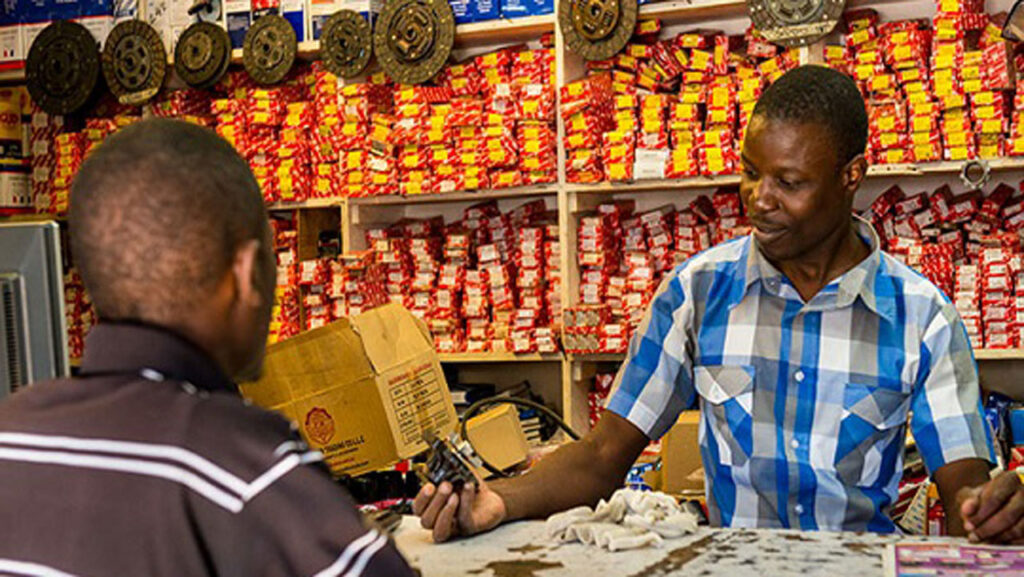
Nigeria has over 40 million small businesses — the backbone of the country’s economy. Yet despite their numbers, most of these businesses struggle with the same operational challenges: disorganised records, uncollected debts, stockouts, and no clear picture of profitability. If you have ever asked yourself how to manage a small business in Nigeria more effectively, this guide is for you. And if you are looking for a tool to put these strategies into practice, Navolet was built specifically to help Nigerian entrepreneurs manage their businesses better from their smartphones.
The Unique Challenges of Managing a Small Business in Nigeria
Before getting into solutions, it helps to name the problems clearly. Nigerian SME owners typically deal with: informal cash transactions that are hard to track, customers who take goods on credit but delay payment, frequent changes in cost prices that erode margins without notice, difficulty keeping staff accountable without automated systems, and limited time to do anything other than the core work of selling. Any approach to business management in Nigeria must address these realities directly.
Step-by-Step: How to Manage a Small Business in Nigeria
Step 1: Set Up a Formal Record-Keeping System
This is the foundation. Without accurate records, every other business decision is guesswork. You need to record every sale, every purchase, and every expense — ideally in real time, at the moment of the transaction. Navolet makes this possible from WhatsApp or Telegram, so record-keeping happens as naturally as sending a text message. Start with the onboarding and business setup guide to configure your system properly from day one.
Step 2: Manage Your Invoices and Collect Payments
Every item sold on credit should have an invoice. Every payment — whether full or partial — should be recorded against that invoice. This discipline is what separates businesses that get paid from businesses that lose money to good-faith forgetfulness. Navolet generates invoices automatically and tracks payment status without any manual follow-up needed from your side. Read our invoices guide and payments guide for details.
Step 3: Track Your Stock Religiously
Stock is money sitting on your shelf. Running out of a product means losing sales. Overstocking a slow product means tying up cash. The solution is consistent stock tracking with low-stock alerts that prompt you to reorder before it is too late. Navolet handles all of this automatically once you load your products and set your thresholds. See our stock and inventory guide.
Step 4: Keep Customer Records and Manage Credit Carefully
Customer relationships are the lifeblood of a Nigerian SME. Know who your loyal customers are, what they buy regularly, and how much they owe you. A customer who owes you and has not paid in three months is not a customer — they are a liability. Navolet’s customer management system tracks purchase history, credit balances, and even birthday reminders so you can nurture relationships professionally. Visit our customer management guide and credits and debt tracking guide.
Step 5: Monitor Your Expenses
Every expense that is not recorded is profit that disappears without explanation. Log every business cost — even small ones — so your profit calculations are accurate. Navolet’s expense tracking categorises your spending so you can identify areas where costs are rising unnecessarily. See our expenses guide.
Step 6: Review Your Business Performance Regularly
Weekly and monthly reviews are not a luxury — they are how you stay ahead of problems before they become crises. Navolet generates sales, expense, and profit reports on demand so your business review takes minutes rather than hours. Visit our reports and analytics guide and set up the daily reports feature to stay consistently informed.

Getting Started with Navolet for Better Business Management
Managing a small business in Nigeria does not have to be overwhelming. With the right system in place, what used to take hours of manual work can be handled in minutes — and you get better information as a result. Visit navolet.com/start-bot to activate your Navolet bot on WhatsApp or Telegram. Select your subscription from the pricing page and complete the quick setup process.
If you want to earn by helping other business owners improve their management, join the Navolet Creator Program and earn commissions on every referral. For any account questions, visit my account or contact us directly. You can also browse our FAQs for quick answers.
Outbound Resources
For further reading on business management in Africa, the International Finance Corporation’s SME resources and Africa Business Insider’s management articles offer relevant context for Nigerian entrepreneurs.
Conclusion
Learning how to manage a small business in Nigeria is not about memorising theories — it is about building practical habits backed by reliable tools. Record every sale. Invoice every credit transaction. Track your stock. Know your customers. Watch your expenses. Review your performance weekly. Do all of this consistently and you will have more clarity, more control, and more confidence in every business decision you make. Navolet makes this entire framework accessible from your WhatsApp or Telegram — starting today.